
Environmental Science
Get Straight To Solving Today’s Problems With A Degree In Environmental Science
Program Overview
About Our Programs
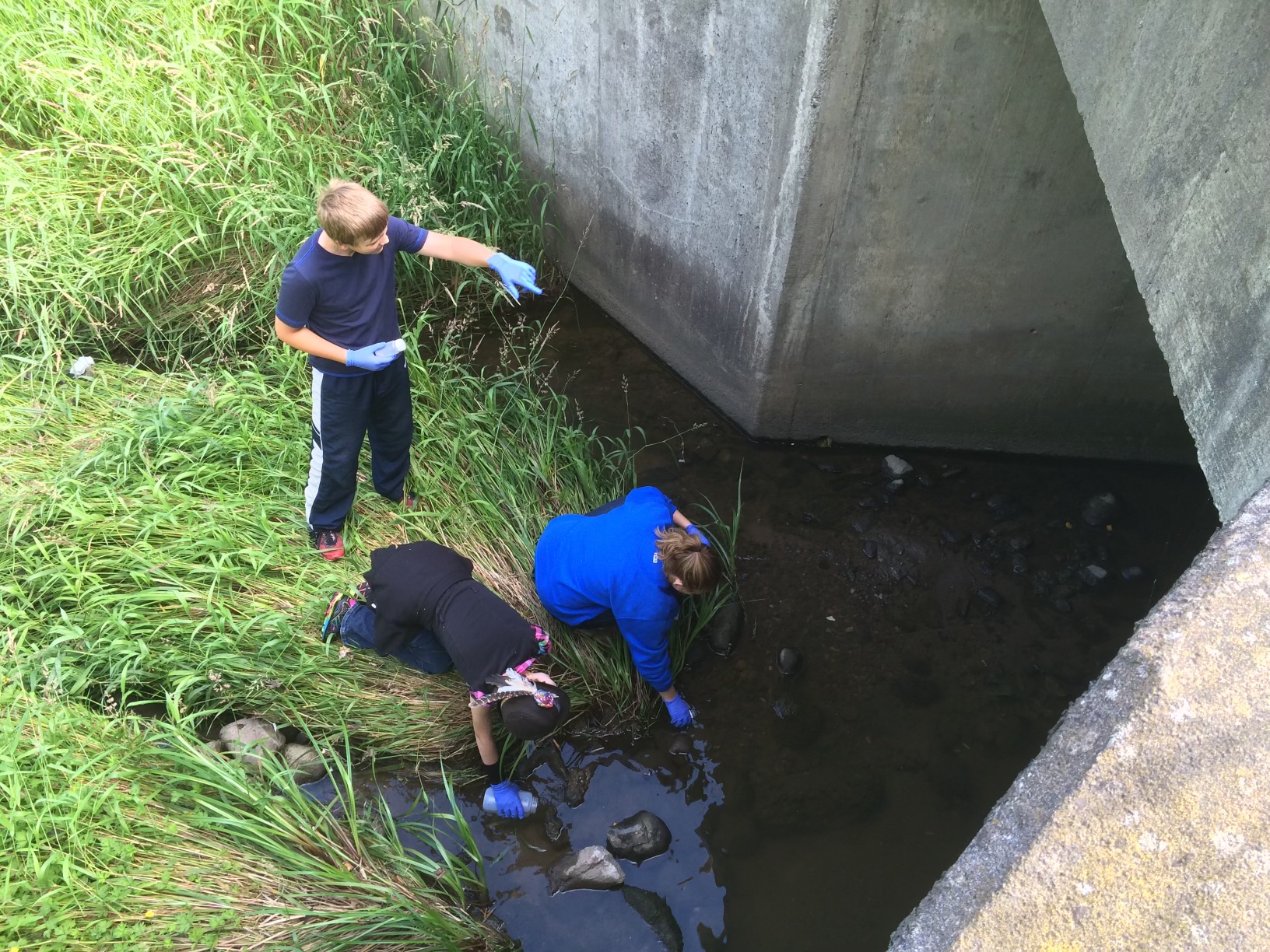
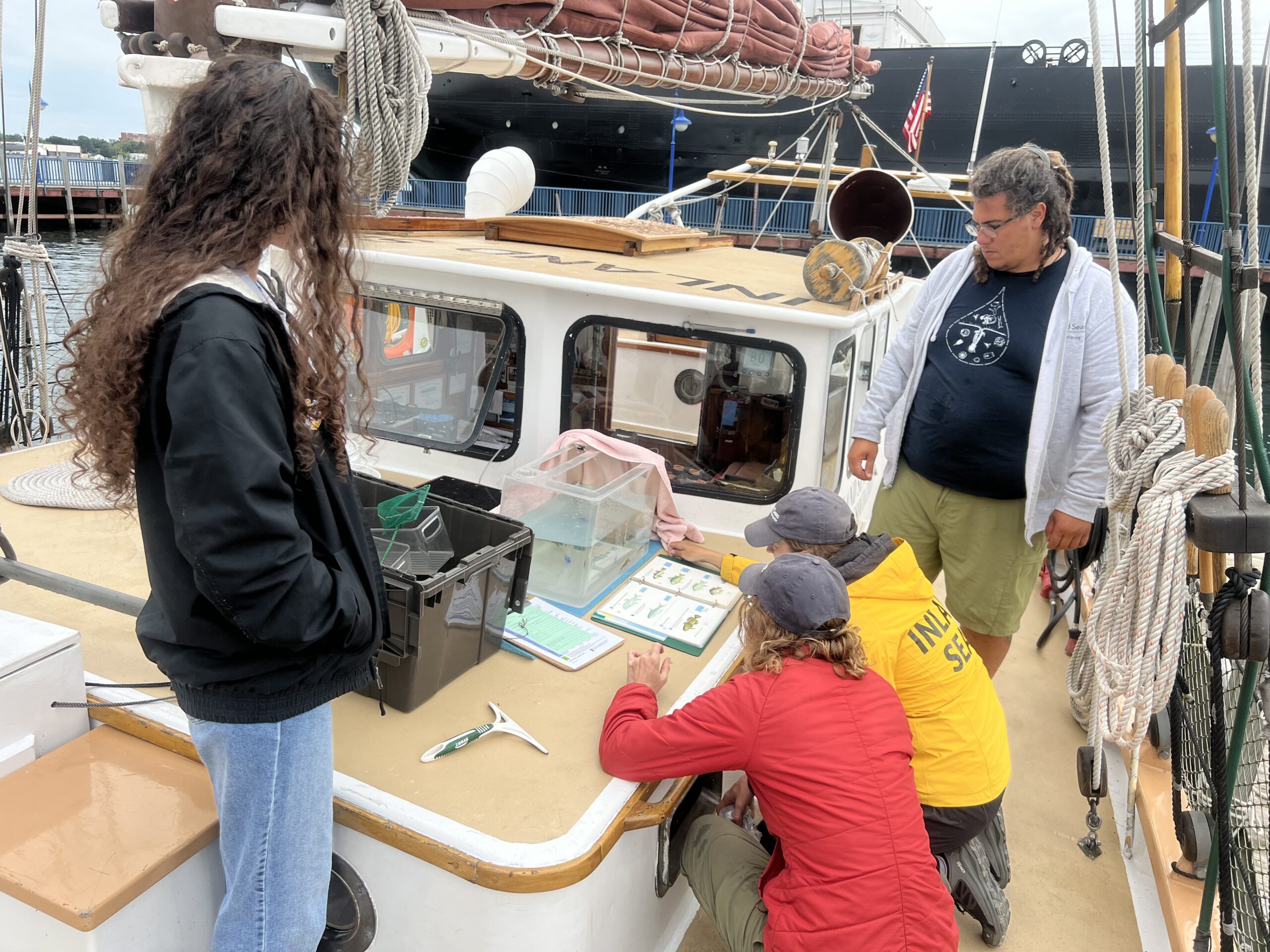
Our Environmental Science program places students on the front lines of environmental monitoring and protection in the Great Lakes watershed — one of the world’s most critical freshwater ecosystems. With direct access to environmental sensors, water and soil analysis equipment, and field-based research projects, students learn to tackle real environmental challenges. We emphasize applied environmental chemistry, ecology, and policy, preparing graduates for careers in consulting, regulatory agencies, and environmental research. Whether sampling streams for nutrient loads, assessing algal blooms, or studying contaminant transport, students leave prepared for both field and laboratory careers.
Why Study Environmental Science at LSSU?
- Interdisciplinary and Impact-Driven – Our program combines biology, chemistry,
geology, physics, and social science to prepare you to solve real environmental challenges. - Hands-On from Day One – Small classes and close faculty mentorship mean you’ll spend
more time collecting data, analyzing samples, and working in the field—not just reading
about it. - Professional-Grade Tools – Use the same advanced instrumentation and field equipment
found in professional labs, including GC-MS/MS, ICP-MS, and multi-parameter
environmental sensors. - The Great Lakes as Your Classroom – Located in Michigan’s Upper Peninsula, you’ll
study in one of North America’s most distinctive ecosystems, with field sites just minutes
from campus. - Career-Ready Experience – Graduates leave with practical skills, research experience, and
connections that lead directly to jobs or graduate study in environmental science and policy.
- Chemistry and Environmental Students are eligible to live in Huron Hall, a living learning community
The College of Arts and Sciences maintains a full complement of modern chemical instruments. Our undergraduate students and faculty use these instruments both in their laboratory experiences and to support their research.
From field to lab, here’s some of the instruments you’ll use to make real discoveries:
- AQ-1 Discreet Colorimetric Analyzer for automated water quality analysis (N,P,Si)
- Ion Chromatograph for anion analysis
- Headspace GC-MS for VOC analysis
- LC-MS/MS for pesticides and emerging contaminants (PPCPs, PFOAs, etc.)
- LC-TOF-MS for accurate mass detection and screening of organic pollutants
- GC-MS/MS for pesticides and persistent organic pollutants (PCBs, PAHs, BFRs etc.)
- ICP-MS, MP-AES, & Microwave Digester for elemental/heavy metal analysis
- PCR and q-PCR for environmental microbiology & pathogen analysis
- Soxhlet Extractors, Rotary Evaporators, Lyophilizer, etc. for sample extraction & preparation
Student Stories and Achievements

The well rounded scientific education I received from the LSSU Department of Chemistry and Environmental Sciences gave me a definite edge over the competition when applying for jobs and preparing for professional exams. The personal level of instruction combined with the real world experience of the faculty resulted in an engaging environment that made the learning process not only interesting but fun.
Pete Baril, Registered Environmental Health Specialist
 Career Paths in Environmental Science
Launch your career protecting the environment, advancing sustainability, and solving real-world challenges. At LSSU, our Environmental Science program combines hands-on research, advanced instrumentation, and field experiences that prepare you to make an impact from day one.
- Environmental Consultant or Analyst
- Water Resource Specialist
- Conservation Scientist or Ecologist
- Environmental Health and Safety Officer
- GIS/Remote Sensing Specialist
- Policy Advisor in government or nonprofits
With access to the Great Lakes and Upper Peninsula ecosystems as a living classroom, small class sizes, and close faculty mentorship, LSSU students gain the practical skills and professional connections that employers and graduate programs value. Nearly all graduates move directly into the workforce or advanced study, equipped to tackle today’s environmental challenges.
$40-50k
Average Starting Salary for Environmental Scientists
~100%
Placement Rate for Graduates Entering the Workforce