


 Oct 21, 2026
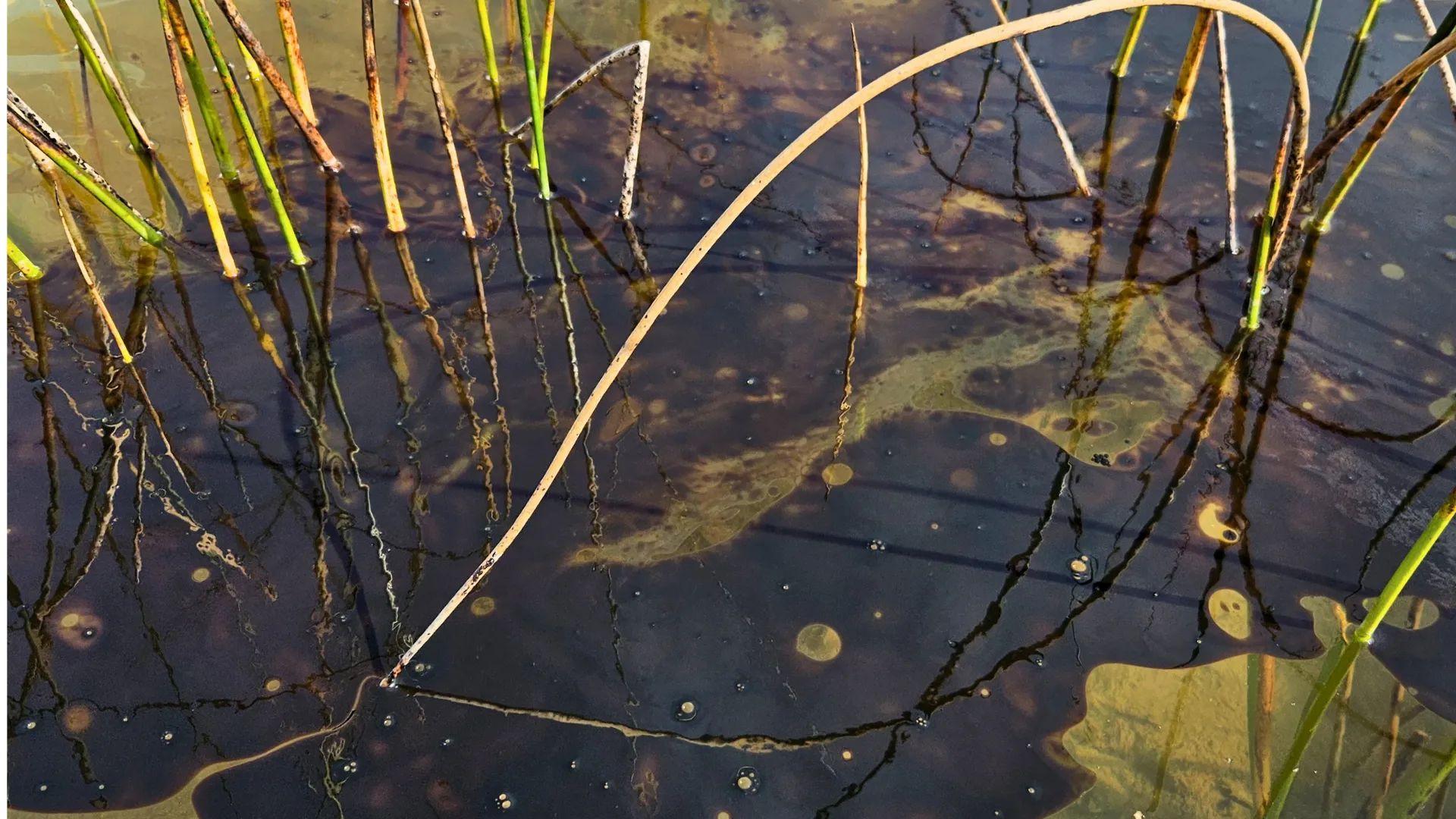
SAULT STE. MARIE, Mich. – A decade-long review led by Lake Superior State University researchers has documented 6,453 reported oil spill incidents across the Great Lakes between 2015 and 2024, highlighting the frequency of smaller releases and gaps in the data needed to understand their ecological effects.
Published in the Journal of Great Lakes Research, the study provides a binational review of oil spill records from the United States and Canada. The research team found that while large spills accounted for the majority of reported oil volume, most incidents involved smaller releases, many of which lacked information about the amount or type of oil spilled.
“This review gives us a decade-long snapshot of reported oil spills across the Great Lakes,” said Dr. Cecilia Heuvel, postdoctoral research associate at the Center for Freshwater Research & Education at LSSU. “We tend to focus on the large spills because of their impacts, but smaller spills happen much more frequently, and their ecological effects remain largely unstudied.”
Large oil spills often receive the greatest public attention because of their immediate, visible effects on ecosystems, recreation, and the economy. However, the study emphasizes the need to better understand the ecological significance of smaller releases.
The findings highlight the importance of improving the consistency and completeness of oil spill reporting across national borders.
The research team recommends standardized reporting practices between the United States and Canada, including consistent documentation of spill volume, oil type, and precise location. Improved reporting would support more comprehensive binational assessments of oil spill risks throughout the Great Lakes basin.
The study, titled “A decade of oil spills in the Laurentian Great Lakes (2015-2026): A review of incidents, trends, and lessons for environmental protection,” was led by researchers at Lake Superior State University’s Center for Freshwater Research and Education. Collaborators included researchers from Algoma University, the University of Windsor, the University of Michigan, Memorial University of Newfoundland, Kenneth Lee Research Inc., the U.S. Coast Guard’s Great Lakes Oil Spill Center of Expertise, and LimnoTech.
Supported by Natural Resources Canada’s Multi-Partner Research Initiative (Grant No. MPRI-06), the study was published in the Journal of Great Lakes Research, the peer-reviewed journal of the International Association for Great Lakes Research.
Read the study here: https://www.sciencedirect.com/science/article/pii/S0380133026002066?via%3Dihub
About LSSU’s Center for Freshwater Research and Education
LSSU’s Center for Freshwater Research and Education advances the understanding, protection, and sustainable use of freshwater resources through research, education, and community engagement. Located on the St. Marys River, CFRE brings together students, scientists, agencies, and community partners to conduct applied research, provide exceptional hands-on learning experiences, and advance the understanding and stewardship of freshwater resources in the Great Lakes region.
About Lake Superior State University
Lake Superior State University is a close-knit university in Michigan’s Upper Peninsula where faculty and staff know their students by name. Founded in 1946, LSSU offers a unique personal education shaped by its size, setting, and spirit of community. The University’s one-rate tuition seeks to make education accessible to all students, while Laker athletics foster competitive spirit and school pride. Learn more at www.lssu.edu.
Media Contact
LSSU Marketing
[email protected] | 906.635.2692