
School of Nursing Plans of Study
First-Year Plan of Study (Pre-Nursing Track)
- BIOL 121 Anatomy & Physiology I 4
- USEM 101 University Seminar 1
- ENGL 110 First-Year Composition I 3
- PSYC 101 Introduction to Psychology 3
- Elective 3-4
*Math competency required: MATH 087/088/102 or SAT equivalent*
- BIOL 122 Anatomy & Physiology II 4
- CHEM 108 Applied Chemistry 3
- ENGL 111 First-Year Composition II 3
- PSYC 155 Lifespan Development 3
- SOCY 101 Introduction to Sociology 4
Second-Year Plan of Study (Nursing Program)
Clinical Admission Required
- CHEM 110 Applied Organic & Biochem 4
- HLTH 209 Pharmacology 3
- HLTH 232 Pathophysiology 3
- NURS 211 Intro to Professional Nursing 3
- NURS 212 Health Appraisal 4
- BIOL 223 Clinical Microbiology 3
- HLTH 208 Principles of Human Nutrition 3
- NURS 213 Fundamentals of Nursing 6
- General Education – Humanities 3-4
Third-Year Plan of Study
Clinical Admission Required
- MATH 207 Prin. of Statistical Methods 3
- HLTH/NURS 328 Multicultural Appr. to Hlth. Care 3
- NURS 327 Adult Nursing I 8
- COMM 101 Human Communications 3
- NURS 434 Nursing Research 3
- Elective 1
- NURS 325 Nursing of Childbearing Families 5
- NURS 326 Parent/Child Nursing 5
Fourth-Year Plan of Study
Clinical Admission Required
- NURS 435 Nursing Management 4
- NURS 431 Adult Nursing II 8
- HLTH 310 Patho/Pharm 3
- NURS 433 Mental Health Nursing 5
- NURS 432 Nursing of Populations 5
- NURS 436 Nursing Issues 3
- Humanities – General Education 3-4
Student Resources
Student Handbooks
The BSN Handbook revised yearly and accessible from the School of Nursing web page, is designed to orient you to the policies and procedures affecting your nursing education and your successful progression in the major.
Learning Outcomes/Competencies

Knowledge for Nursing Practice
Integrate nursing knowledge, liberal education, and scientific evidence to provide safe, high-quality, and compassionate nursing care across diverse populations and healthcare settings.

Person-Centered Care
Deliver holistic, individualized, and compassionate care that respects patient preferences, values, and needs while incorporating evidence-based practice and ethical decision-making.

Population Health
Apply principles of population health, health promotion, and disease prevention to improve health outcomes and reduce health disparities in diverse communities.

Scholarship for the Nursing Discipline
Utilize research, critical thinking, and evidence-based practice to contribute to nursing knowledge and improve healthcare delivery.
Quality and Safety
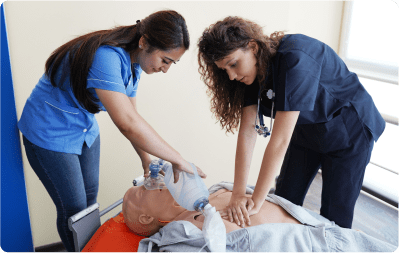
Implement established and emerging quality and safety principles to minimize risk and enhance patient care outcomes in complex healthcare systems.

Interprofessional Partnerships:
Collaborate effectively with healthcare team members, patients, families, and communities to optimize health outcomes and enhance the healthcare experience.

Systems-Based Practice
Demonstrate an understanding of healthcare systems, policies, and resources to provide safe, equitable, and cost-effective nursing care.

Informatics and Healthcare Technologies
Utilize informatics and healthcare technologies to support clinical decision-making, improve patient care, and enhance communication in healthcare settings.

Professionalism
Exhibit accountability, integrity, and ethical decision-making while fostering a professional nursing identity committed to lifelong learning and advocacy.
Personal, Professional, and Leadership Development
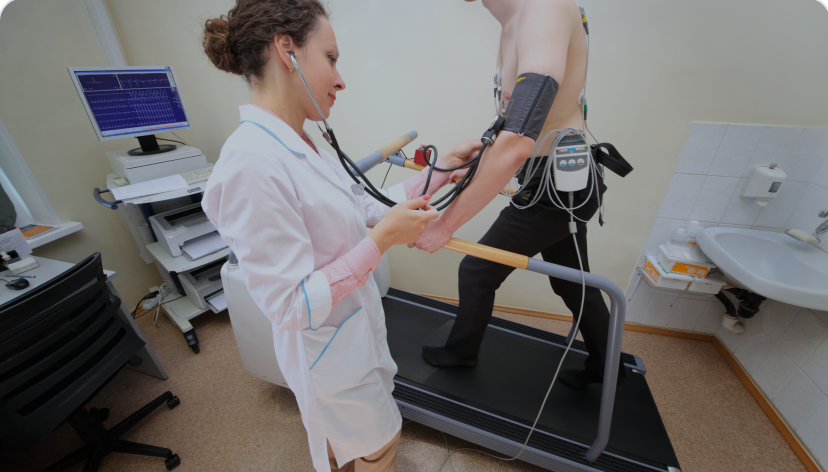
Engage in self-reflection and continuous professional development to enhance resilience, leadership, and the ability to adapt to evolving healthcare challenges.
Student Grievance Procedure Forms

Student Resources
Disclaimer: Inclusion of the linked site does not amount to an actual or implied endorsement by the LSSU College of Professional Studies